AZ Logo Skip To Content
  • Tumor Types & BiomarkersTumor Types & Biomarkers

    Tumor Types & Biomarkers

    Explore clinical guidelines on why, whom and how to test actionable biomarkers in lung, breast, ovarian and prostate cancers.

    • Lung Tumor
      • EGFR
      • ERBB2 (HER2)
    • Breast Tumor
      • BRCA1/2
      • ESR1
      • HER2
      • PIK3CA/AKT1/PTEN
    • Ovarian Tumor
      • HRD
    • Prostate Tumor
      • HRRm
      • PTEN
  • Testing Solutions
  • Explore Precision MedicineTumor Types & Biomarkers

    Explore Precision Medicine

    Implement best practices in your workflow and discover how recent advances are optimizing precision medicine.

    Realizing the Potential of Precision Medicine

    Collaborate across the MDT to address health inequities and optimize testing pathways.

    Realizing the Potential of Precision Medicine

    Latest Developments in Precision Medicine

    Explore recent advances in diagnostic technologies and novel biomarkers to support precision medicine in your practice.

    Latest Developments in Precision Medicine
  • ResourcesTumor Types & Biomarkers

    Resources

    Access a range of resources you can apply in your practice.

    FAQs

    Find answers to frequently asked questions about precision medicine.

    FAQs

    Find a Testing Lab

    Search our directory of major laboratories that perform diagnostic biomarker testing.

    Find a Testing Lab

    Glossary

    Find definitions for the most commonly used terms in precision medicine.

    Glossary

    Resource Library

    Explore our library of videos and downloadable tools to help optimize your practice and inform your patients.

    Resource Library

    My Favorites

    Personalize your learning by creating a bespoke collection of precision medicine resources.

    My Favorites
  • Our Team
Subscribe Connect with us
Open MenuClose Menu

Search

  • Home Icon
  • Lung Cancer

  • ERBB2 (HER2)

  • ERBB2 (HER2)

bolt

Personalize your browsing experience today.

What are you looking for today?

checking the code

ERBB2 (HER2) Mutations in Metastatic NSCLC

Testing for ERBB2 (HER2) mutations may contribute to improved health outcomes of patients with NSCLC by informing eligibility for targeted treatment options.1

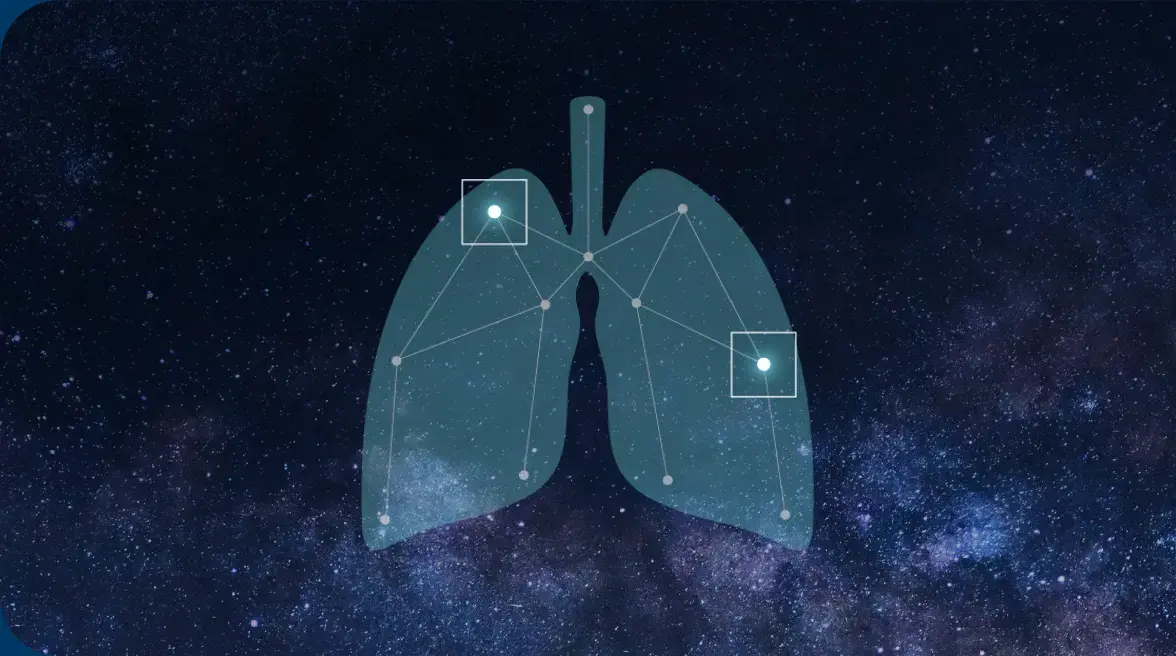
Lung cancer constellation
Reading time: 16 min
 
Jump to:
  • Testing Recommendations
  • Prevalence
  • ERBB2 (HER2) Mutations in NSCLC
  • Mutations & Overexpression
  • Sample Type Considerations
  • Diagnostic Assays
  • Interpreting & Reporting
  • Considerations for Your Practice
  • Helpful Resources

Testing for ERBB2 (HER2) Mutations Can Guide Treatment1

An activating HER2 mutation is any mutation identified within the ERBB2 (HER2) gene that is known to play a role in the oncogenic process.2 ERBB2 (HER2) mutations are reported to be mutually exclusive with other oncogenic drivers, such as EGFR, KRAS, ALK and BRAF mutations, and are recognized as an actionable biomarker in non-small cell lung cancer (NSCLC).3,4

ALK, anaplastic lymphoma kinase; BRAF, v-Raf murine sarcoma viral oncogene homolog B; EGFR, epidermal growth factor receptor; ERBB2, erb-b2 receptor tyrosine kinase 2; HER2, human epidermal growth factor receptor 2; KRAS, v-Ki-ras2 Kirsten rat sarcoma viral oncogene homolog; NSCLC, non-small cell lung cancer.

Checklist icon light
NCCN Clinical Practice Guidelines in Oncology (NCCN Guidelines®) Recommend Testing for ERBB2 (HER2) Mutations in All Eligible Patients With mNSCLC5
Biomarker DNA icon

Why test

NCCN Guidelines® recommend broad biomarker testing for eligible patients with advanced or mNSCLC to help determine appropriate treatment options.

Confused individual icon

Whom to test

NCCN Guidelines recommend ERBB2 (HER2) biomarker testing for all histologic subtypes in patients with advanced or mNSCLC.a

Laboratory microscope icon

How to test

ERBB2 (HER2) mutations are best surveyed using Next-generation sequencing (NGS) approaches, as recommended by the NCCN Guidelines. Where NGS is not feasible, targeted PCR techniques and sanger sequencing can also be utilized.

aThe NCCN Guidelines for NSCLC provide recommendations for certain individual biomarkers that should be tested and recommend testing techniques but do not endorse any specific commercially available biomarker assays or commercial laboratories. NCCN also recommend testing for EGFR mutations, ALK rearrangements, BRAF mutations, ROS1 gene rearrangements, RET gene rearrangements, MET exon 14–skipping mutations, NTRK1/2/3 gene fusions, KRAS mutations, and PD-L1 status in eligible patients with advanced or mNSCLC.

ALK, anaplastic lymphoma kinase; BRAF, v-Raf murine sarcoma viral oncogene homolog B; EGFR, epidermal growth factor receptor; ERBB2, erb-b2 receptor tyrosine kinase 2; HER2, human epidermal growth factor receptor 2; KRAS, v-Ki-ras2 Kirsten rat sarcoma viral oncogene homolog; MET, mesenchymal-epithelial transition; mNSCLC, metastatic non-small cell lung cancer; NCCN, National Comprehensive Cancer Network; NGS, next-generation sequencing; NSCLC, non-small cell lung cancer; NTRK, neurotrophic tyrosine receptor kinase; PD-L1, programmed death-ligand 1; RET, rearranged during transfection; ROS1, ROS proto-oncogene 1, receptor tyrosine kinase.

DNA and patient icon
~2% of Patients With NSCLC Have an Activating ERBB2 (HER2) Mutation Known to Play a Role in the Oncogenic Process4

ACTIONABLE BIOMARKERS

  • EGFR sensitizing 19.4%6,a
  • EGFR T790M 5.5%6,a
  • EGFR exon 20 2.1%6,a
  • KRAS G12C 13.8%7,b
  • ALK fusion 3.8%6,a
  • MET splice (MET exon 14) 3.0%6,a
  • ROS1 fusion 2.6%6,a
  • ERBB2 (HER2) mutation 2.3%6,a
  • HER2 overexpression (IHC 3+) 1–5%8–10
  • BRAF V600E 2.1%6,a
  • RET fusion 1.7%6,a
  • NTRK1/2/3 <1%11,c

EGFR and ERBB2 (HER2) mutations are two actionable biomarkers with significant impact in NSCLC1,6,12; EGFR mutations are the most common oncogenic drivers.6 Although ERBB2 (HER2) mutations are less common, those with this targetable oncogenic driver are unlikely to have any other oncogenic driver mutation.12

EMERGING BIOMARKERS

  • MET amplification ~1.4%6,a

OTHER MUTATIONS

  • Other driver mutations 2.9%6

UNKNOWN

  • Unknown mitogenic driver/no driver ~13%6,a

aJordan et al (2017) prospectively analyzed a total of 915 tumors from 860 patients with recurrent or metastatic lung adenocarcinoma for mutations using the Memorial Sloan Kettering-Integrated Mutation Profiling of Actionable Cancer Targets (MSK-IMPACT) assay, a hybridization capture-based, next-generation sequencing platform.6 bNassar et al (2021) extracted data from the registry of the American Association for Cancer Research project Genomics Evidence Neoplasia Information Exchange (GENIE) version 8.0 to study the distribution of KRAS mutations in 32,138 patients with cancer across race and sex. KRAS mutations were identified in 1,867 samples, most frequently in patients with NSCLC (1,443 of 10,444).8 Stage of disease was not disclosed. cFarago et al (2018) examined data on 4,872 patients to determine a frequency of 0.23% (n=11) for NTRK gene fusions in NSCLC.11 dOther driver mutations are defined as all mutations excluding actionable, emerging, and unknown driver mutations.

ALK, anaplastic lymphoma kinase; BRAF, v-Raf murine sarcoma viral oncogene homolog B; EGFR, epidermal growth factor receptor; ERBB2, erb-b2 receptor tyrosine kinase 2; HER2, human epidermal growth factor receptor 2; KRAS, v-Ki-ras2 Kirsten rat sarcoma viral oncogene homolog; MET, mesenchymal-epithelial transition; NSCLC, non-small cell lung cancer; NTRK, neurotrophic tyrosine receptor kinase; RET, rearranged during transfection; ROS1, ROS proto-oncogene 1, receptor tyrosine kinase.

DNA and patient icon
ERBB2 (HER2) Mutations and Overexpression Are Actionable in mNSCLC5
ERBB2 (HER2) mutations in NSCLC are clustered in hotspots. Exon 20 insertion events are the most commonly identified, accounting for nearly 50%.13–16 ERBB2 (HER2) mutations independently drive tumorigenesis in NSCLC.4,12

ERBB2 (HER2) mutations are distinct from HER2 (ERBB2) amplification and HER2 overexpression3,4,17

HER2 overexpression and HER2 (ERBB2) amplification are well-established biomarkers in other tumor types.3,4,12,17

  ERBB2 (HER2) mutations5,15 HER2 (ERBB2) amplification12 HER2 overexpression5,12,17
(measured by IHC)
Alteration
Relevance in mNSCLC Actionable Under investigation Actionable (in cases of IHC 3+)5
Relevance in other tumor types Under investigation in other solid tumors Established in breast and gastric cancers HER2 overexpression is actionable in
solid tumors, including mNSCLC5,17

ERBB2, erb-b2 receptor tyrosine kinase 2; HER2, human epidermal growth factor receptor 2; IHC, immunohistochemistry; mNSCLC, metastatic non-small cell lung cancer; NSCLC, non-small cell lung cancer.

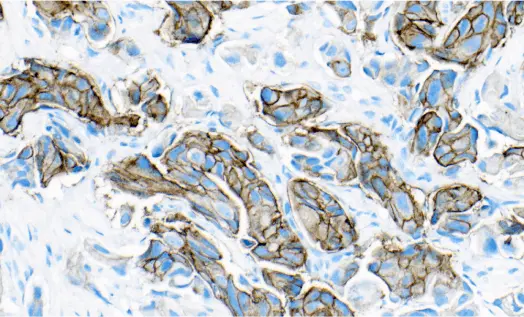
Access educational resources, clinical cases and tools to evaluate your HER2 immunohistochemistry (IHC) scoring consistency in solid tumors.

Visit HER2Know.com
Microscopic slide showing stained cells that are positive for HER2 using immunohistochemistry (IHC)

HER2, human epidermal growth factor 2; IHC, immunohistochemistry.

Laboratory microscope light icon
Histologic, Cytologic, and Liquid Biopsy Samples Are Suitable for Molecular Testing

Complementary tissue- and blood-based sample types can be used for NGS testing in mNSCLC5,18,19

Sample Type Clinical Relevance Limitations

Tissue specimen
(diagnostic biopsy)

  • Tissue specimens (including resections) provide high tumor volume, which may help ensure adequate tissue for molecular testing20
  • Well-established and commonly used at diagnosis when tissue is collected as part of routine workup18,21

Insufficient sample and/or prolonged turnaround time can pose
challenges for tissue-based biomarker testing22

Cytology specimen
(diagnostic biopsy)

  • Biomarker testing of cytology specimens from pleural fluid can be used as an alternative to tissue testing23

Cytology specimens may provide limited material which may
pose challenges for pathology24

Liquid biopsy
(ctDNA)

  • Minimally invasive, requires only a small amount of blood, and avoids complications of biopsies25
  • Likely to better reflect tumor heterogeneity25

Lower tumor burden may decrease sensitivity of ctDNA
analysis26

Concurrent liquid biopsy
(ctDNA) and tissue biopsy

  • Concurrent testing may:
    • Deliver comprehensive results faster5
    • Help provide actionable results even in cases of tissue QNS27,a
    • Maximize the detection of therapeutically actionable mutations19,27,a,b
    • Reduce time to diagnosis which may result in earlier initiation of appropriate treatment28,c
  • Negative results by one method suggests the use of a complementary method5

Lack of standardization and training for liquid biopsy causes
issues translating into clinical practice29

Checklist icon small

Unlike ctDNA analysis used in mNSCLC, liquid biopsy (ctDNA) molecular testing has not been clinically validated in the resectable NSCLC setting.30,31

Mutation detection in ctDNA may be challenging in the resectable setting due to lower tumor burden and less shedding of tumor DNA.30,31

aIn a single center prospective, cohort study of 323 patients with mNSCLC, 229 received concurrent testing. Therapeutically targetable mutations were detected in 113 patients, among whom 66 had the mutation detected in plasma only, 16 patients in tissue only, and 31 patients in plasma and tissue. Mutations for 35 of 113 patients (31%) were detected in plasma only when tissue DNA was insufficient or unavailable, or no mutation was detected in tissue.19 bIn a prospective analysis of 282 patients with previously untreated mNSCLC undergoing physician discretion SOC tissue genotyping and submitted a pre-treatment blood sample for comprehensive cfDNA analysis, the addition of cfDNA testing identified a guideline recommended biomarker in 32% (n=90/282) of patients who otherwise would not have had guideline-complete genotyping.27 cA retrospective study comparing patients with mNSCLC who underwent tissue genotyping alone (n=78) vs patients who underwent concurrent liquid and tissue genotyping (n=39) revealed a shorter mean time to diagnosis when undergoing concurrent testing (33.5 days vs 20.6 days respectively; p<0.001).28

cfDNA, cell free deoxyribonucleic acid; ctDNA, circulating tumor deoxyribonucleic acid; ERBB2, erb-b2 receptor tyrosine kinase 2; HER2, human epidermal growth factor receptor 2; mNSCLC, metastatic non-small cell lung cancer; NCCN, National Comprehensive Cancer Network; NGS, next-generation sequencing; NSCLC, non-small cell lung cancer; QNS, quality not sufficient.

Laboratory microscope light icon
Utilize Diagnostic Assays That Include ERBB2 (HER2) Mutations in mNSCLC

Results may be ready in hours to within 2 weeks, depending on the type of test and where it is donea

Laboratory and test name Genes or alterations assessed Minimum sample requirements Turnaround time
Send-out

Foundation Medicine
FoundationOne®CDx32–34,b

324

FFPE block or ≥11 unstained slides

Median 8.8 days 

Foundation Medicine
FoundationOne®Liquid CDx35,b

>300

Blood: 2 tubes, 8.5 mL each

<2 weeks

Guardant Health
Guardant360® CDx36,37,b

55

Blood: minimum 5 mL

≤7 days 

Caris® Life Sciences
Caris Molecular Intelligence®Tumor Profiling38,39,b

~23,000

FFPE block or 25 unstained slides

10–14 days

TEMPUS
Tempus xT (RUO)40,41,c

648

FFPE block or 10 unstained slides + 1 H&E slide

9 days 

NeoGenomics
NeoTYPE® Lung Tumor Profile (RUO)42,c

Analyzes 49 biomarkers through
a combination of methods

FFPE tissue (block)

14 days 

In house
Thermo Fisher
Oncomine™ Dx Target Test43,b

23

10 ng DNA and RNA from FFPE tissue

4 days 

Illumina
TruSight™ Oncology 500 (RUO)44,c

523

FFPE tissue

3–4 days

Thermo Fisher
Oncomine™ Precision Assay
(RUO)
45,c

50

10 ng DNA or RNA

1 day

test tube symbol represents laboratories that offer concurrent testing

- represents laboratories that offer concurrent testing

aThis document is intended as educational information and is not intended as a complete list of available testing options. AstraZeneca is not responsible for any test provider and does not endorse any particular diagnostic test. The accuracy and results of diagnostic tests vary, and AstraZeneca shall have no liability arising from such testing. Information provided herein should in no way be considered a guarantee of coverage, reimbursement, or patient assistance. Providers should contact third-party laboratories for information on their patient assistance programs. While diagnostic testing may assist providers in identifying appropriate treatment for patients, the decision and action should be decided by a provider in consultation with the patient. All products are trademarks of their respective holders, all rights reserved. bFDA approved companion diagnostic. cThis assay is not an FDA-approved companion diagnostic. The mutations detected by this assay could be informative for the treatment of NSCLC.

CDx, companion diagnostic; ctDNA, circulating tumor deoxyribonucleic acid; DNA, deoxyribonucleic acid; Dx, diagnosis; ERBB2, erb-b2 receptor tyrosine kinase 2; FDA, US Food and Drug Administration; FFPE, formalin-fixed paraffin-embedded; HER2, human epidermal growth factor receptor 2; H&E, hematoxylin and eosin; mNSCLC, metastatic non-small cell lung cancer; NSCLC, non-small cell lung cancer; RNA, ribonucleic acid; RUO, research use only.

Scientist looking at and holding lab samples

Browse a selection of major laboratories offering a range of biomarker testing options.

Find a testing lab
This information is intended as educational and is not intended as a complete list of available testing options. AstraZeneca is not responsible for any test provider and does not endorse any particular diagnostic test. The accuracy and results of diagnostic tests vary, and AstraZeneca shall have no liability arising from such testing. Information provided herein should in no way be considered a guarantee of coverage, reimbursement, or patient assistance. Providers should contact third-party laboratories for information on their patient assistance programs. While diagnostic testing may assist providers in identifying appropriate treatment for patients, the decision and action should be decided by a provider in consultation with the patient. All products are trademarks of their respective holders, all rights reserved.

Find a list of FDA cleared or approved companion diagnostics.46

View diagnostic devices
Woman hands typing on keyboard

AstraZeneca is not affiliated with and does not control these websites. Inclusion of a website on AZPrecisionMed.com does not constitute endorsement of its content by the associated organizations.

FDA, US Food and Drug Administration.

Checklist icon light
Interpret and Report ERBB2 (HER2) Mutations by Their Level of Clinical Actionability

Accurately report ERBB2 (HER2) mutations to help inform treatment selection

Collaborate with your multidisciplinary team (MDT) to consistently identify and record ERBB2 (HER2) mutation status of all appropriate patients with mNSCLC and act on variants that are actionable biomarkers.

The American Society of Clinical Oncology (ASCO) has provided guidance on information to include for biomarker test reporting in cancer. Reports should include basic information, such as47:

  • Elevation arrows

    Detection limits

  •  
    Cells under magnifying glass

    Genes and gene regions evaluated

  • Biomarker detection

    Variants detected

    Including single nucleotide variants, insertion/deletion mutations, copy number variations, gene fusions, and gene expression

  •  
    Failed biomarker detection

    Variants that may not be detected

The College of American Pathologists (CAP) provides a template for interpreting and reporting results of biomarker testing of specimens from patients with NSCLC.48

View CAP reporting template
Microscopic slide showing stained cells that are positive for HER2 using immunohistochemistry (IHC)Two healthcare providers looking  at a computer screen

AstraZeneca is not affiliated with and does not control these websites. Inclusion of a website on AZPrecisionMed.com does not constitute endorsement of its content by the associated organizations.

ASCO, American Society of Clinical Oncology; CAP, College of American Pathologists; ERBB2, erb-b2 receptor tyrosine kinase 2; HER2, human epidermal growth factor receptor 2; MDT, multidisciplinary team; mNSCLC, metastatic non-small cell lung cancer; NSCLC, non-small cell lung cancer.

Key takeaway icon

Considerations for Your Practice

Implement ERRB2 (HER2) mutation testing protocols or standardize existing protocols to ensure all eligible patients with mNSCLC can receive fully informed treatment options.

  • Follow NCCN Guidelines recommending ERBB2 (HER2) testing for all patients with advanced or mNSCLC
  • Prioritize NGS testing for identifying actionable biomarkers, such as ERBB2 (HER2) mutations in mNSCLC
  • Observe that HER2 (ERBB2) amplification and HER2 overexpression rely on different testing methodologies than ERBB2 (HER2) mutations; it is important to request testing for all three HER2 outcomes as otherwise important attributes may be missed12,17
  • Find solutions to common challenges you may face during biomarker testing

ERBB2, erb-b2 receptor tyrosine kinase 2; HER2, human epidermal growth factor receptor 2; mNSCLC, metastatic non-small cell lung cancer; NCCN, National Comprehensive Cancer Network; NGS, next-generation sequencing.

Helpful Resources

Check out these featured resources on ERBB2 (HER2) biomarker testing in lung cancer.

Playlist icon

Add your preferred resources to My Favorites—a personalized list of resources to download and share with your peers or patients.

View My Favorites

dummy

View more resources 
Email icon

Subscribe to Emails

Subscribe and stay up to date with precision medicine in lung cancer.

Subscribe

Chat box icon

Connect With Us

Connect with our Precision Medicine Team for support with solutions around biomarker testing in your practice.

Connect with us

  1. Le X, et al. Cancers (Basel). 2023;15(11):2917.
  2. Subramanian J, et al. The Oncologist. 2019;24(12):e1303–e1314.
  3. Jebbink M, et al. Cancer Treat Rev. 2020;86:101996.
  4. Zhao J and Xia Y. JCO Precis Oncol. 2020;4:411–425.
  5. NCCN Clinical Practice Guidelines in Oncology (NCCN Guidelines®) for Non-Small Cell Lung Cancer. V.11.2024. © National Comprehensive Cancer Network, Inc. 2024. All rights reserved. Accessed October 22, 2024. To view the most recent and complete version of the guideline, go online to NCCN.org.
  6. Jordan EJ, et al. Cancer Discov. 2017;7(6):596–609.
  7. Nassar AH, et al. N Engl J Med. 2021;384(2):185–187.
  8. Yan M, et al. Cancer Metastasis Rev. 2015;34(1):157–164.
  9. Heinmoller P, et al. Clin Cancer Res. 2003;9(14):5238–5244.
  10. Zinner RG, et al. Lung Cancer. 2004;44(1):99–110.
  11. Farago AF, et al. JCO Precis Oncol. 2018;2018:PO.18.00037.
  12. Pillai RN, et al. Cancer. 2017;123(21):4099–4105.
  13. Peters S, et al. J Thorac Oncol. 2018;13(12):1897–1905.
  14. Robichaux JP, et al. Cancer Cell. 2019;36(4):444–457.
  15. Tsurutani J, et al. Cancer Discov. 2020;10(5):688–701.
  16. Robichaux JP, et al. Nat Med. 2018;24(5):638–646.
  17. Riudavets M, et al. ESMO Open. 2021;6(5):100260.
  18. Rolfo C, et al. J Thorac Oncol. 2018;13(9):1248–1268.
  19. Aggarwal C, et al. JAMA Oncol. 2019;5(2):173–180.
  20. Lim C, et al. Curr Oncol. 2017;24(2):103–110.
  21. Ofiara LM, et al. Front Oncol. 2014;4:253.
  22. Gregg JP, et al. Transl Lung Cancer Res. 2019;8(3):286–301.
  23. Ellison G, et al. J Clin Pathol. 2013;66:79–89.
  24. Bubendorf L, et al. Eur Respir Rev. 2017;26(144):170007.
  25. Ilié M and Hofman P. Transl Lung Cancer Res. 2016;5(4):420–423.
  26. Semenkovich NP, et al. J Immunother Cancer. 2023;11(6):e006284.
  27. Leighl NB, et al. Clin Cancer Res. 2019;25(15):4691–4700.
  28. Maity AP, et al. JCO Oncol Pract. 2023;19(8):620–625.
  29. Casagrande GMS, et al. Int J Mol Sci. 2023;24:2505.
  30. Merker JD, et al. J Clin Oncol. 2018;36(16):1631–1641.
  31. Chen Y, et al. Neoplasma. 2019;66(4):652–660.
  32. Foundation Medicine. FoundationOne® CDx Technical Information. Accessed September 03, 2024. https://​info​.foundationmedicine​.com​/hubfs​/FMI Labels​/FoundationOne ​CDx ​Label ​Technical​ Info​.pdf
  33. Foundation Medicine. What is FoundationOne® CDx? Accessed September 03, 2024. https://www.foundationmedicine.com/test/foundationone-cdx
  34. Foundation Medicine. FoundationOne® CDx Specimen Instructions. Accessed September 03, 2024. https://www.foundationmedicine.com/sites/default/files/media/documents/2024-04/F1CDx_Specimen_Instructions.pdf
  35. Foundation Medicine. FoundationOne®Liquid CDx. Accessed September 03, 2024. https://www.foundationmedicine.com/test/foundationone-liquid-cdx#
  36. Guardant Health. FDA Approved Guardant360® CDx. Accessed September 03, 2024. https://www.guardantcomplete.com/products/guardant360-cdx
  37. Guardant Health. Guardant360® CDx Technical Information. Accessed September 03, 2024. https://www.guardantcomplete.com/assets/pdf/Guardant360-CDx-Technical-Information-US.pdf
  38. Caris® Life Sciences. Comprehensive Molecular Profiling. Accessed September 03, 2024. https://www.carislifesciences.com/products-and-services/molecular-profiling/
  39. Caris® Life Sciences. Specimen Preparation Instructions. Accessed September 03, 2024. https://www.carislifesciences.com/wp-content/uploads/2020/08/TN0252-v8_Specimen_Prep_Instructions_hi-rez.pdf
  40. Tempus. Tempus xT Solid Tumor + Normal Match DNA Sequencing. Accessed September 03, 2024. https://www.tempus.com/oncology/genomic-profiling/xt-xr/
  41. Tempus. Specimen Guidelines for Providers. Accessed September 03, 2024. https://www.tempus.com/wp-content/uploads/2024/11/Tempus-Onco_Specimen-Guidelines.pdf
  42. NeoGenomics. NeoTYPE® Lung Tumor Profile. Accessed September 03, 2024. https://neogenomics.com/test-menu/neotype-lung-tumor-profile
  43. ThermoFisher Scientific. Oncomine™ Dx Target Test. Accessed September 03, 2024. https://assets.thermofisher.com/TFS-Assets/LSG/brochures/oncomine-dx-target-test-brochure.pdf
  44. Illumina. TruSight™ Oncology 500. Accessed September 03, 2024. https://www.illumina.com/products/by-type/clinical-research-products/trusight-oncology-500.html
  45. ThermoFisher Scientific. Oncomine™ Precision Assay. Accessed September 03, 2024. https://assets.thermofisher.com/TFS-Assets/CSD/Flyers/oncomine-precision-assay-flyer.pdf
  46. US Food and Drug Administration. List of Cleared or Approved Companion Diagnostic Devices (In Vitro and Imaging Tools). Accessed September 03, 2024. https://www.fda.gov/medical-devices/in-vitro-diagnostics/list-cleared-or-approved-companion-diagnostic-devices-in-vitro-and-imaging-tools
  47. Brown NA, et al. Am Soc Clin Oncol Educ Book. 2018;38:708–715.
  48. College of American Pathologists. Cancer Protocol Templates. Template for Reporting Results of Biomarker Testing of Specimens From Patients With Non-Small Cell Carcinoma of the Lung. Accessed September 03, 2024. https://www.cap.org/protocols-and-guidelines/cancer-reporting-tools/cancer-protocol-templates

NCCN makes no warranties of any kind whatsoever regarding their content, use or application and disclaims any responsibility for their application or use in any way.

AstraZenecaYoutube

This information is intended for US healthcare professionals only.

Connect With Us Subscribe to Emails Sitemap
Privacy Notice Legal StatementAstraZeneca US Corporate Site Contact Us
Cookie Policy Cookie Notice Consumer Health Data Privacy Notice Your Privacy ChoicesYour Privacy ChoicesYour Privacy Choices

©2024 Daiichi Sankyo, Inc. and AstraZeneca. All rights reserved. This page was jointly developed by Daiichi Sankyo and AstraZeneca. PP‑US‑8201a‑1976, US-86299 Last Updated 11/24

Share Resource

Share Resource

Share your precision medicine resource(s) via social media or email.

Share to Apps

{{$.copyrighttext}}

©2024 AstraZeneca. All rights reserved. US-86234 Last Updated 11/24

  • Share via  LinkedIn
  • Share via  Facebook
  • Share via  X
  • Share via  Doximity
Share via Email
To add multiple email addresses, please separate them with a comma (e.g. email1@domain.com, email2@domain.com)

errorMessage

requestToSignInContent

Welcome to

AZPrecisionMed.com

This website is intended to help healthcare professionals practicing in the US find and access scientifically balanced and evidence-based information and resources on oncology biomarker testing in precision medicine.

The dissemination of this information may be subject to different medical and regulatory requirements in other countries.

This information is provided for educational purposes only. It is not intended for use in the diagnosis or treatment of individual patients.

Are you a healthcare professional in the United States?

No, take me to AstraZeneca-us.com

What is an AstraZeneca authorised person?

This website is only intended for healthcare professionals practicing in the United States and authorized AstraZeneca company persons. US Headquarters personnel, US Field Diagnostics and US Field Medical personnel are authorized to browse and search the database for their own background knowledge and insight. This website is not intended for use by US Field Sales personnel. None of the content on this site should be directly linked or distributed without approval.

©2024 AstraZeneca. All rights reserved. US-86234 Last Updated 11/24

  • Share via  LinkedIn
  • Share via  Facebook
  • Share via  X
  • Share via  Doximity
Share via Email
To add multiple email addresses, please separate them with a comma (e.g. email1@domain.com, email2@domain.com)

errorMessage

requestToSignInContent

Share Resource

Share your precision medicine resource(s) via social media or email.

Share to Apps

©2024 AstraZeneca. All rights reserved. US-86234 Last Updated 11/24